Planning a deck with plastic or composite boards
A deck can give a garden a level place to sit, eat and enjoy being outdoors.
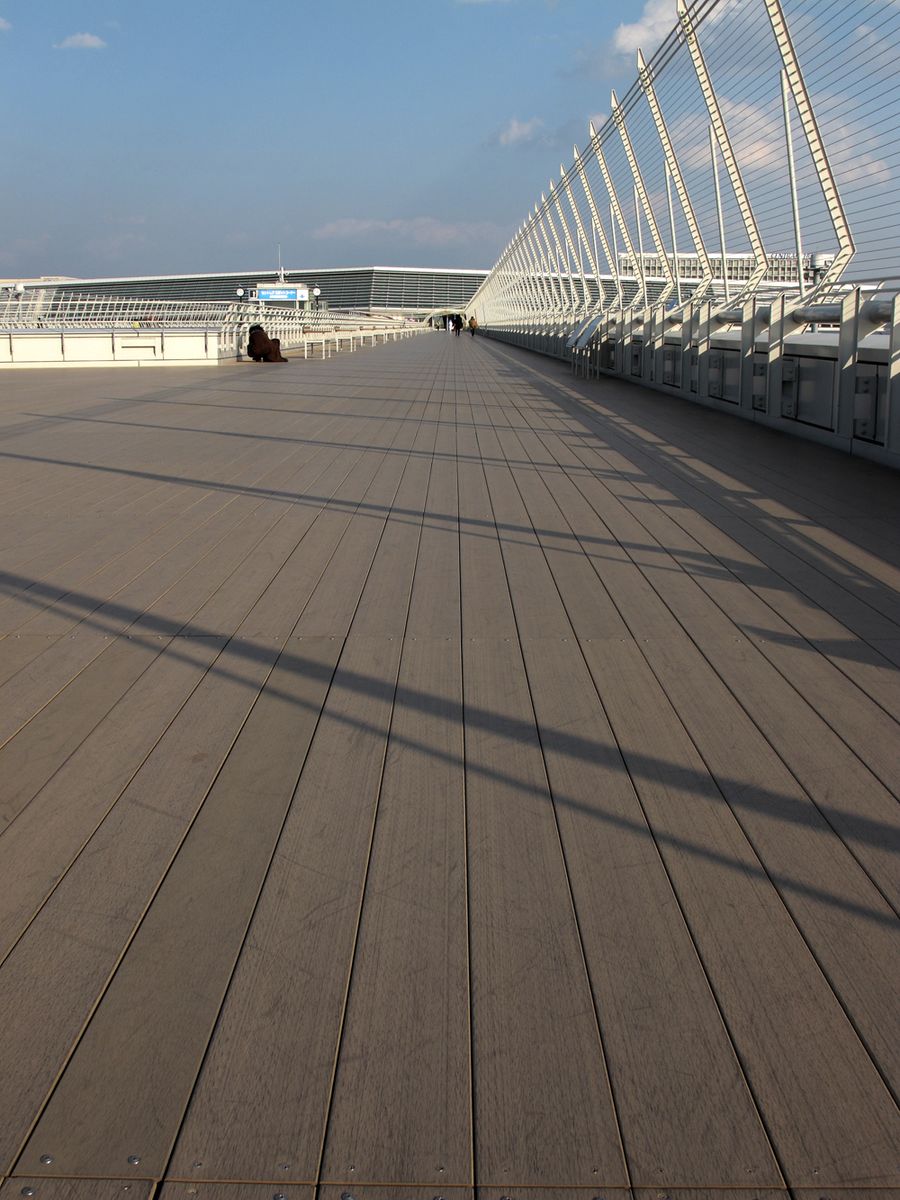
Many people look at plastic and composite boards alongside timber. These notes cover what to ask about the boards, the frame beneath them and the rules for building a deck.
What composite boards are
Composite deck boards are made from wood or other plant fibre combined with plastic. The British Standard calls these wood-polymer composites or natural fibre composites.
The standard is BS EN 15534-4. It sets out the physical and mechanical properties that composite deck boards and tiles should meet. It also gives tests for how they resist moisture, fire and biological attack. When you compare boards, you can ask a supplier which standards their boards have been tested to.
The frame underneath
The frame is as important as the boards. The Timber Decking and Cladding Association says pressure-treated softwood is commonly used for the frame, whatever the boards are made of.
Since January 2020 it has recommended that deck joists, and other timbers giving structural support outdoors, be treated to Use Class 4. That applies whether or not they touch the ground. The usual design life for treated softwood is 15 years, and longer lives of 30 or 60 years can be asked for.
For any timber you buy, the association suggests asking for written confirmation of the standards it meets. It also supports buying timber with FSC or PEFC certification.
Grip underfoot
Any flat outdoor surface can grow mildew, algae and fine moss, and these make it slippery when wet.
The Health and Safety Executive explains how to read flooring makers' slip test data. Its preferred method is the pendulum test, which gives a pendulum test value. A value of 36 or more means low slip potential. From 25 to 35 is moderate, and 24 or below is high. Asking for wet test results lets you compare boards fairly.
Keeping it looking good
Regular sweeping with a stiff brush keeps a deck in good order in its early years. For a deeper clean, the timber association suggests a scrubbing brush, a mild soap solution and a rinse with clean water on a dry day.
A pressure washer can help, set to a lower pressure and kept back from the surface. For composite or plastic boards, check the maker's care guide for what they suit.
Planning permission
In England, a garden deck on a house is usually permitted development, so it does not need a planning application. That applies when all of these hold.
- The deck is no more than 30cm above the ground.
- Together with extensions and outbuildings, decks cover no more than half the garden.
- No part of the deck is in front of the wall forming the main front of the house.
Tighter limits apply to listed buildings, National Parks, Areas of Outstanding Natural Beauty and some other designated land. Flats and maisonettes do not have these rights. Your local planning authority can tell you what applies to your home. The rules in Wales may differ.
Building it
A deck at or near ground level is usually within reach of a confident DIY builder. Raised decks need structural know-how to be safe, and the Planning Portal says Building Regulations should be assumed to apply to any deck that needs planning permission. Your local building control body can confirm what is needed.
Useful links
- Planning Portal: decking and planning permission
- Planning Portal: decking and Building Regulations
- GOV.UK: permitted development rights for householders
- BSI: BS EN 15534-4, composite decking profiles and tiles
- Timber Decking and Cladding Association: decking timber options
- Timber Decking and Cladding Association: planning and Building Regulations
- Timber Decking and Cladding Association: cleaning a deck
- HSE: assessing the slip resistance of flooring
- Forest Stewardship Council UK